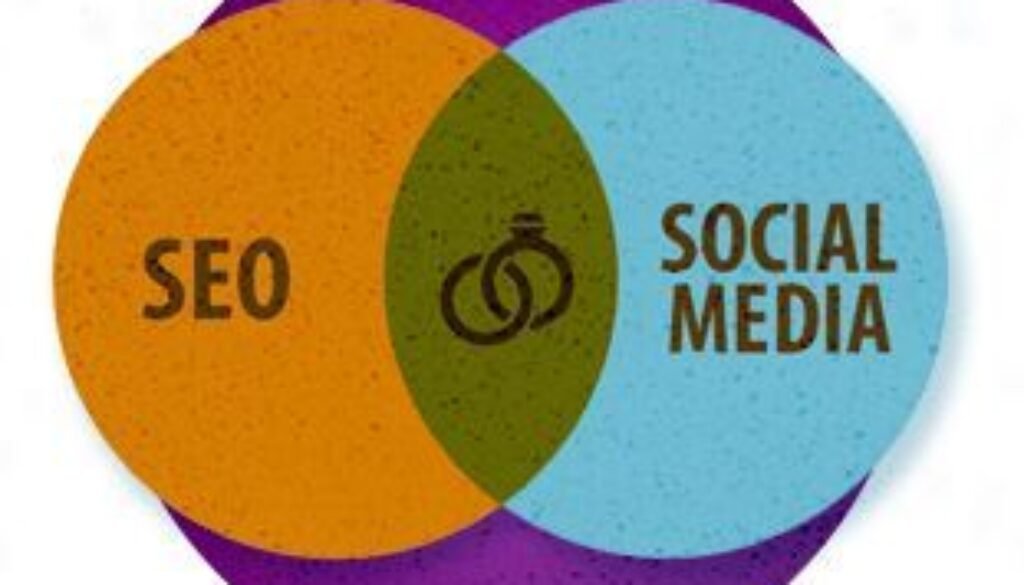
SEO vs Social Media Marketing: Which Should Beginners Learn First?
Digital marketing helps businesses connect with their target audience through online platforms. From search engines to social media networks, businesses use different strategies to improve brand awareness, attract potential customers, and generate leads. However, choosing the right digital marketing strategy requires an understanding of how each channel works.
Two important digital marketing strategies are Search Engine Optimisation (SEO) and Social Media Marketing (SMM). Both help businesses build an online presence, but they work in different ways. SEO focuses on improving a website’s visibility in organic search results, while SMM uses social media platforms to connect with audiences through content, engagement, and advertising.
For beginners who want to build a career in digital marketing, deciding which skill to learn first can be challenging. Understanding SEO vs Social Media Marketing helps beginners compare their benefits, limitations, and practical applications. By learning how these strategies work together, aspiring digital marketers can make better decisions and develop valuable professional skills.
What Is SEO in Digital Marketing?
Search Engine Optimisation is the process of improving a website’s visibility in organic search engine results. It involves researching keywords, creating useful content, optimising webpages, and improving the technical structure of a website.
For example, a digital marketing agency in Kannur may want to attract local businesses looking for website development, SEO services, or social media management. By creating relevant service pages and helpful blog posts, the agency can improve its chances of appearing when potential clients search for these services.
A business can also publish articles answering common customer questions. For instance, a blog explaining how SEO helps small businesses can attract people who want to improve their online visibility. If the content is useful and well optimised, it may attract organic traffic over time.
SEO usually requires patience and consistent effort. Competition, content quality, website performance, and search intent can influence results. However, well-performing webpages may continue attracting visitors long after publication.
Essential SEO Skills for Beginners
Beginners should understand the following areas of SEO:
- Keyword Research: Discover the search terms people use when looking for products, services, or information.
- On-Page SEO: Optimise titles, meta descriptions, headings, URLs, and internal links.
- Content Optimisation: Create helpful articles, service pages, and website content that meet user needs.
- Technical SEO: Understand crawling, indexing, website speed, mobile usability, and site structure.
- Local SEO: Improve visibility for location-based searches and maintain accurate business information.
- SEO Analytics: Use tools such as Google Search Console to understand impressions, clicks, and search queries.
These skills help beginners understand how search engines connect users with relevant information and businesses.
What Is Social Media Marketing?
Social Media Marketing is the process of promoting a business, product, service, or personal brand through social media platforms. It involves creating content, building relationships with audiences, managing social accounts, and analysing performance.
Platforms such as Instagram, Facebook, LinkedIn, and YouTube offer businesses different ways to communicate with potential customers.
For example, a local cafe in Kannur can use Instagram Reels to showcase its menu, Facebook posts to announce offers, and customer-generated content to build trust. By publishing content that connects with its target audience, the cafe can improve brand awareness and encourage more people to visit.
Social media marketing also includes paid advertising. A business can use Meta Ads to reach specific audiences based on available targeting options, campaign objectives, and budget.
Unlike SEO, which often targets people actively searching for information, social media can help businesses introduce their products and services to people who may not yet know about them.
However, social media success does not depend only on posting frequently. Content quality, audience relevance, consistency, engagement, and campaign strategy all influence performance.
Essential Social Media Marketing Skills for Beginners
To understand SMM, beginners should learn these important skills:
- Content Strategy: Plan content according to business goals and audience needs.
- Content Creation: Create engaging posts, Reels, carousels, and short-form videos.
- Copywriting: Write clear captions, hooks, headlines, and calls to action.
- Platform Management: Understand how different social media platforms serve different audiences.
- Community Management: Respond to comments and messages and build relationships with followers.
- Social Media Analytics: Measure reach, engagement, profile visits, clicks, and conversions.
- Paid Social Advertising: Learn campaign objectives, audience targeting, budgeting, and performance optimisation.
These skills are valuable for marketers who enjoy creativity, communication, audience research, and brand building.
Difference Between SEO and Social Media Marketing
The main difference between SEO and Social Media Marketing lies in how businesses reach their audiences and build online visibility.
| Factor | SEO | Social Media Marketing |
|---|---|---|
| Main platforms | Search engines | Social media platforms |
| Main objective | Improve organic search visibility | Build awareness and audience relationships |
| Audience behaviour | People searching for information or services | People discovering and interacting with content |
| Content formats | Blogs, landing pages, and service pages | Posts, Reels, stories, carousels, and videos |
| Speed of results | Often takes time to build visibility | Reach and engagement can occur quickly, but are not guaranteed |
| Main skills | Keywords, content optimisation, and technical SEO | Creativity, content planning, and audience engagement |
| Common measurements | Impressions, clicks, rankings, and conversions | Reach, engagement, clicks, and conversions |
| Long-term potential | Pages may attract organic traffic over time | Content may continue receiving views and engagement, depending on the platform |
Neither strategy guarantees business growth. SEO depends on search visibility and competition, while social media marketing depends on audience interest, content relevance, platform distribution, and campaign execution.
SEO vs Social Media Marketing: Which Is Better for Beginners?
The choice between SEO and social media marketing depends on a beginner’s interests, career goals, and preferred working style.
SEO may be a good starting point for people who enjoy research, writing, website development, and analysing search data. It teaches beginners how to understand user intent, improve website content, and attract relevant organic traffic.
Social media marketing may suit people who enjoy creativity, graphic design, video creation, communication, and brand development. It provides opportunities to experiment with different content formats and learn how audiences respond to messages.
For example, someone who enjoys creating Canva designs and Instagram Reels may find social media marketing engaging. Someone who prefers researching keywords and improving website pages may enjoy SEO.
However, these skills are not completely separate. Understanding SEO helps social media marketers identify audience interests and create relevant content. Social media experience can also help SEO professionals understand audience questions, content trends, and brand communication.
For a well-rounded digital marketing career, learning both skills can provide a stronger foundation.
Example: How a Local Business Can Use SEO and Social Media Marketing
Consider a small clothing store in Kannur that wants to attract more customers and improve its online presence.
The business begins with SEO by creating a website with separate pages for its products, store information, and contact details. It publishes useful content about clothing trends, styling ideas, and seasonal collections. The website is optimised for relevant search terms, and its business information is kept accurate.
Over time, these pages may attract people searching for related products or clothing stores in the area.
At the same time, the business uses Instagram and Facebook to publish product photographs, styling Reels, customer testimonials, and seasonal offers. It encourages customers to engage with its content and share their experiences.
The business may also use paid social media advertising to promote selected products to relevant audiences.
Performance is measured across both channels. SEO data shows which search queries and webpages attract visitors, while social media insights reveal which posts generate reach, engagement, and profile visits. Website analytics and conversion tracking can help the business understand whether these activities contribute to enquiries or purchases.
If a particular product receives strong engagement on Instagram, the business can create a related website page or blog post. If a website page attracts relevant visitors, social media content can help distribute that information to a wider audience.
This approach allows SEO and social media marketing to support each other. SEO helps people discover the business through search engines, while social media creates opportunities for discovery, interaction, and relationship building.
Actual results depend on the business’s audience, competition, content quality, and ability to convert interest into sales.
Which Strategy Should Beginners Learn First?
For beginners who want to become digital marketers, starting with the fundamentals of both strategies is useful. However, choosing one primary skill for initial practice can make learning more focused.
A beginner interested in websites, content writing, and search visibility can start with SEO. Someone interested in creative content, branding, and social media communication can begin with SMM.
A simple learning plan can help beginners develop their skills step by step.
Step 1: Understand digital marketing fundamentals. Learn about target audiences, customer journeys, marketing objectives, and online channels.
Step 2: Choose a primary skill. Start with SEO or social media marketing based on your interests and career goals.
Step 3: Practise with a real or sample project. Create a website page, research keywords, plan social media content, or build a sample content calendar.
Step 4: Learn the relevant tools. Explore Google Search Console and keyword research tools for SEO, or Canva and platform analytics for social media marketing.
Step 5: Measure performance. Review meaningful metrics instead of focusing only on rankings, followers, or likes.
Step 6: Learn the complementary skill. Once you understand the basics of your first skill, study the other strategy and explore how they work together.
This approach helps beginners build practical experience rather than relying only on theoretical knowledge.
Common Mistakes Beginners Should Avoid
One common SEO mistake is expecting immediate rankings. A new website or blog may take time to gain visibility, especially in competitive industries. Beginners should focus on useful content, technical quality, and consistent improvement.
In social media marketing, a common mistake is posting without a clear strategy. Publishing content every day does not automatically generate leads or sales. Each post should serve a purpose, such as educating the audience, building trust, encouraging engagement, or generating enquiries.
Another mistake is focusing only on vanity metrics. A high number of followers or website visitors does not necessarily mean a business is achieving its goals. Relevant enquiries, qualified leads, and conversions often provide more useful insights.
Beginners should also avoid copying competitors without understanding their own audience. What works for one brand may not work for another. Research, testing, and performance analysis help marketers make better decisions.
Finally, SEO and social media marketing should not be treated as isolated activities. Integrating website content, social media communication, and clear calls to action can create a more consistent customer experience.
Conclusion
SEO and Social Media Marketing are two important digital marketing strategies that help businesses improve their online presence and connect with potential customers. SEO focuses on organic search visibility, while social media marketing focuses on content distribution, audience engagement, and brand relationships.
For beginners, the best starting point depends on their interests and career goals. SEO can be a practical choice for those who enjoy research and website optimisation, while SMM can be suitable for people who enjoy creativity and communication.
However, learning both skills can help aspiring digital marketers understand how different channels contribute to business growth. By combining useful website content with a consistent social media strategy, businesses can reach audiences at different stages of the customer journey.
The key is to learn the fundamentals, practise consistently, measure results, and keep improving based on audience needs and business objectives.